Looking for a rad tech boot camp? Discover top programs, pros and cons, costs, and how to fast-track your radiologic technologist career today.

If you are looking to break into the medical imaging field without spending four years in college, a rad tech boot camp might be the exact accelerator you need. The demand for healthcare professionals is skyrocketing, and radiologic technology is no exception. Traditional paths to becoming a radiologic technologist usually require a two-year associate degree or a four-year bachelor’s degree. However, accelerated training models and specialized registry prep boot camps are completely changing the game for aspiring imaging professionals.
This comprehensive guide breaks down everything you need to know about radiologic technology boot camps, their structures, costs, and whether they are the right fit for your career goals.
What is a Rad Tech Boot Camp?
The term “boot camp” in radiologic technology generally refers to two distinct types of intensive programs:
-
Accelerated Radiography Programs: Intensive, full-time certificate or degree programs designed for students who already hold a degree in another field or possess prior healthcare experience. These compress clinical and classroom hours into a shorter timeframe.
-
ARRT Registry Prep Boot Camps: Ultra-focused, short-term review courses (ranging from a weekend to a few weeks) designed to help graduates pass the American Registry of Radiologic Technologists (ARRT) national certification exam.
“In radiology, accuracy and speed are everything. An intensive training structure prepares students for the fast-paced reality of the trauma bay and the imaging suite.”
— Sarah Jenkins, RT(R), Lead Radiologic Technologist
How Does a Rad Tech Boot Camp Work?
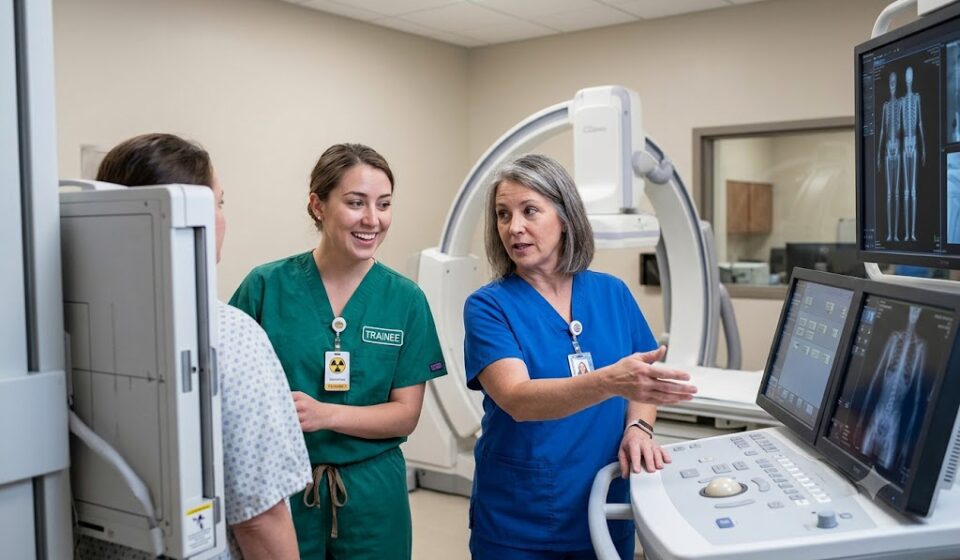
Unlike traditional semester-based education, an accelerated radiography boot camp utilizes an immersive learning model. You will dive straight into core imaging concepts, anatomy, radiation physics, and patient care protocols from day one.
Classroom vs. Clinical Hours
Even in an accelerated format, you cannot bypass hands-on training. State licensing boards and the ARRT require rigorous clinical competencies.
-
The Academic Phase: You will cover advanced subjects like positioning, radiation protection, and image evaluation through high-density lectures and lab simulations.
-
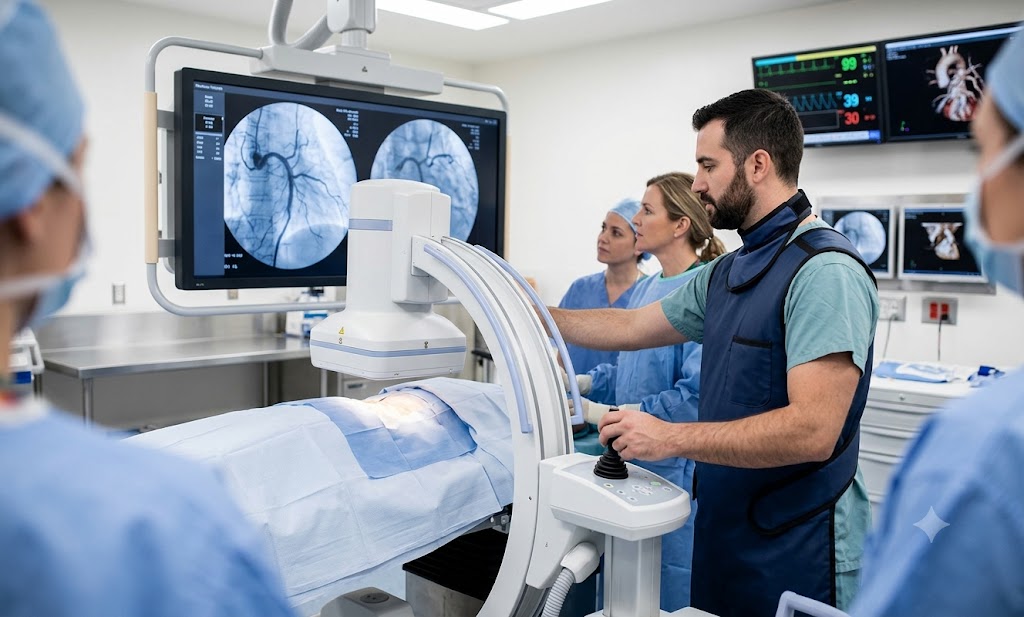
The Clinical Phase: You will be placed in hospitals or diagnostic imaging centers, working directly under licensed technologists to complete your mandatory exam competencies.
Rad Tech Boot Camp vs. Traditional Programs
Choosing between a fast-track boot camp and a traditional route depends heavily on your current educational background, budget, and learning style.
| Feature | Rad Tech Boot Camp (Accelerated) | Traditional Associate/Bachelor’s Degree |
| Duration | 12 to 18 months (Prep camps: 3–14 days) | 2 to 4 years |
| Pacing | Intense, full-time, immersive | Moderate, semester-based |
| Prerequisites | High (often requires prior degree or science credits) | Low to moderate (high school diploma) |
| Cost | Varies widely; often higher per semester | Spread out over multiple years |
| Ideal For | Career changers, highly disciplined learners | First-time college students, part-time learners |
The Pros and Cons of Accelerated Radiology Training
Before you enroll and pay tuition, you must weigh the advantages against the intense demands of these programs.
The Pros
-
Faster Entry into the Workforce: You can start earning a professional salary much sooner than your peers in traditional tracks.
-
Focused Curriculum: Fast-track programs trim the fluff, meaning you only focus on the exact skills needed to pass your boards and excel on the job.
-
High Networking Potential: Because these programs are highly structured, cohorts form tight bonds, and clinical rotations frequently lead directly to immediate job offers.
The Cons
-
Extreme Time Commitment: Holding a part-time or full-time job during an accelerated boot camp is incredibly difficult, if not impossible.
-
Risk of Burnout: Memorizing complex skull positioning, radiation physics formulas, and anatomy in a condensed timeframe can cause severe academic fatigue.
-
Strict Prerequisites: Many top-tier accelerated certificate programs require you to already have an associate or bachelor’s degree in any discipline.
Cost of Attendance and Financial Aid
The financial investment for a rad tech boot camp depends significantly on whether you are attending a full-time accelerated certificate program or a short-term ARRT board review.
-
ARRT Registry Prep Boot Camps: These typically cost between $150 and $600. They offer study guides, mock registries, and live interactive webinars.
-
Accelerated Certificate Programs: These can range anywhere from $10,000 to $45,000 depending on whether the institution is public, private, or a dedicated medical center school.
Fortunately, if the program is accredited by the Joint Review Committee on Education in Radiologic Technology (JRCERT) and offered through an eligible college, you can still apply for federal financial aid, student loans, and specialized healthcare scholarships.
How to Choose the Right Program
Enrolling in an unaccredited program is, without a doubt, the biggest mistake you can make. Consequently, if your program lacks proper recognition, you will be ineligible to sit for the ARRT exam, thereby rendering your education completely unusable for state licensing. To avoid this pitfall, keep the following steps in mind:
1. Check for JRCERT Accreditation
First and foremost, always verify the program’s standing on the official JRCERT directory. This is crucial because proper accreditation ensures the educational quality consistently meets national medical standards.
2. Look at the ARRT Pass Rate
In addition to accreditation, a reputable boot camp or accelerated program will proudly publish its first-time registry pass rates. Therefore, you should look for programs that consistently maintain a 90% or higher pass rate over a five-year average.
3. Evaluate Clinical Affiliations
Finally, ask admissions exactly where you will be completing your clinical hours. Ultimately, having rotations at Level 1 trauma centers or major orthopedic clinics provides a vastly superior experience compared to small, low-volume clinics.
What to Expect in an ARRT Registry Boot Camp
On the other hand, if you have already finished your coursework but are terrified of the board exam, an ARRT review boot camp is designed specifically for you. These courses act as a final, high-intensity polish for your knowledge base. Specifically, they typically break the national exam down into its major categories:
-
Patient Care: For instance, communication, infection control, and vital signs.
-
Safety: Particularly radiation physics, biology, and protection measures.
-
Image Production: Focuses on technical factors, digital imaging systems, and quality control.
-
Procedures: As well as anatomy, positioning protocols, and contrast media applications.
Related Video Content
To see a firsthand perspective of what intensive radiography school looks like on a day-to-day basis, watch this comprehensive breakdown:
(Note: Please paste your chosen YouTube video URL regarding “Day in the life of a Rad Tech Student” here to view the full video resource.)
Frequently Asked Questions (FAQ)
Can I become a rad tech entirely online?
In short, no. While you can complete your lectures and physics homework online, you must still complete your clinical competencies in person at an approved healthcare facility.
How hard is the ARRT registry exam?
The exam is notoriously challenging, featuring variable testing questions that assess critical thinking rather than just rote memorization. In fact, this difficulty is precisely why registry prep boot camps are so popular.
What is the average salary for a radiologic technologist?
According to the U.S. Bureau of Labor Statistics, the median annual wage for radiologic technologists sits comfortably above the national average for all occupations. Furthermore, there are opportunities to earn significantly more by cross-training into advanced modalities like MRI or CT.
Can I do a rad tech boot camp with no prior college?
Generally speaking, most true accelerated “boot camps” require either a prior degree or a hefty list of completed science prerequisites (such as Anatomy & Physiology, College Algebra, and Physics). However, if you have no prior college background, a traditional 2-year Associate of Applied Science (AAS) degree is usually your best starting point.
Content Reference & External Links
To assist you further on your professional journey, please refer to these authoritative industry resources:
-
Accreditation Verification: Verify your program’s status via the Joint Review Committee on Education in Radiologic Technology (JRCERT).
-
Credentialing and Boards: Review the official exam requirements and content specifications directly on The American Registry of Radiologic Technologists (ARRT).
-
Career Outlook & Wages: Explore up-to-date employment data and regional pay scales on the U.S. Bureau of Labor Statistics (BLS).
Article Disclaimer
Disclaimer: The information provided in this article is for educational and informational purposes only. Educational program requirements, tuition fees, and ARRT licensing prerequisites change frequently. Always consult directly with an academic advisor from a JRCERT-accredited institution and review the official guidelines on the ARRT website before making financial or career decisions.