
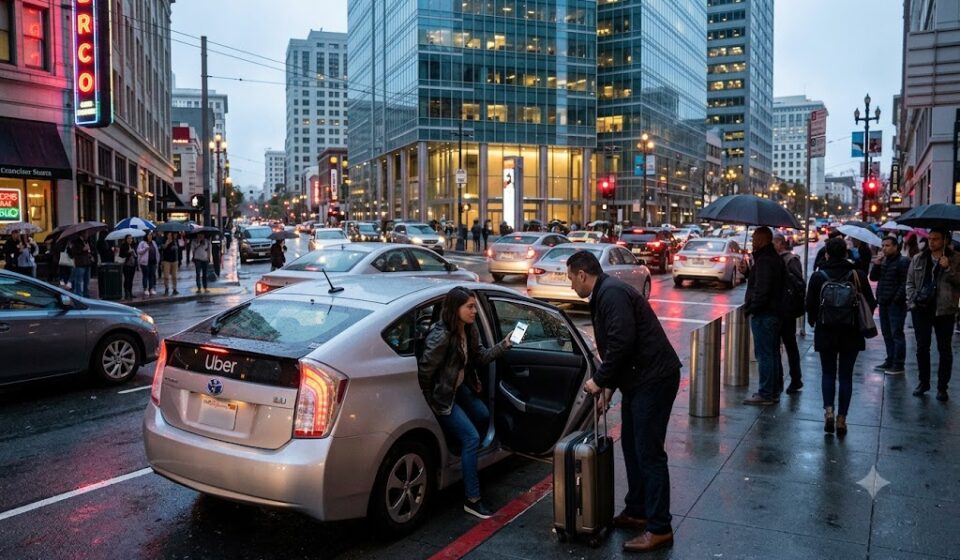
When discussing a major tech company founded in San Francisco, the mind instantly gravitates toward the giant named Uber. Consequently, what started in 2009 as a simple smartphone application has transformed into a sprawling international technology powerhouse. Ultimately, from its early days navigating hilly streets to managing billions of rides, Uber changed how the world moves.
Understanding the Evolution
To truly grasp this evolution, understanding Uber requires examining how a singular idea can leverage massive cloud infrastructure. Furthermore, the company cleverly used real-time algorithmic dispatch and crowdsourced labor to disrupt a centuries-old global transportation industry. With that framework in mind, this deep dive explores the history, market impact, and architectural triumphs of this pioneer.
The Genesis and Scale
The narrative of Uber began during a snowy evening when the founders could not find a taxi anywhere. Specifically, they asked a simple question about whether someone could request a ride directly from a mobile phone. Shortly thereafter, by March 2009, they established UberCab in San Francisco to leverage the city’s unique venture capital.
Market Expansion
As a result of these ideal conditions, San Francisco quickly became the ultimate testing ground for this concept. Following its initial development phase, the company officially launched its application in 2010, offering luxury vehicles at premium prices. However, the true inflection point arrived with the release of UberX during the summer of 2012. This monumental shift allowed everyday drivers to utilize their personal vehicles to transport passengers across the busy city. By doing so, and by bypassing traditional taxi systems, Uber successfully unlocked unprecedented scale across the global market.
                  [ UberCab Launched (2010) ]
                               │
                               ▼
                   [ UberX Introduced (2012) ]
                               │
                               ▼
               [ Uber Eats Food Delivery (2014) ]
                               │
                               ▼
              [ Global IPO on the NYSE (2019) ]
                               │
                               ▼
       [ Profitability & Enterprise Autonomy (2024-2026) ]
As the platform expanded, it faced fierce regulatory battles, severe pushback from entrenched taxi lobbies, and complex legal debates surrounding gig-worker classification. Despite these immense hurdles, Uber relentlessly expanded its footprint. Today, the corporation operates in over 70 countries and 10,000 cities worldwide, demonstrating the sheer power of algorithmic marketplace matching.
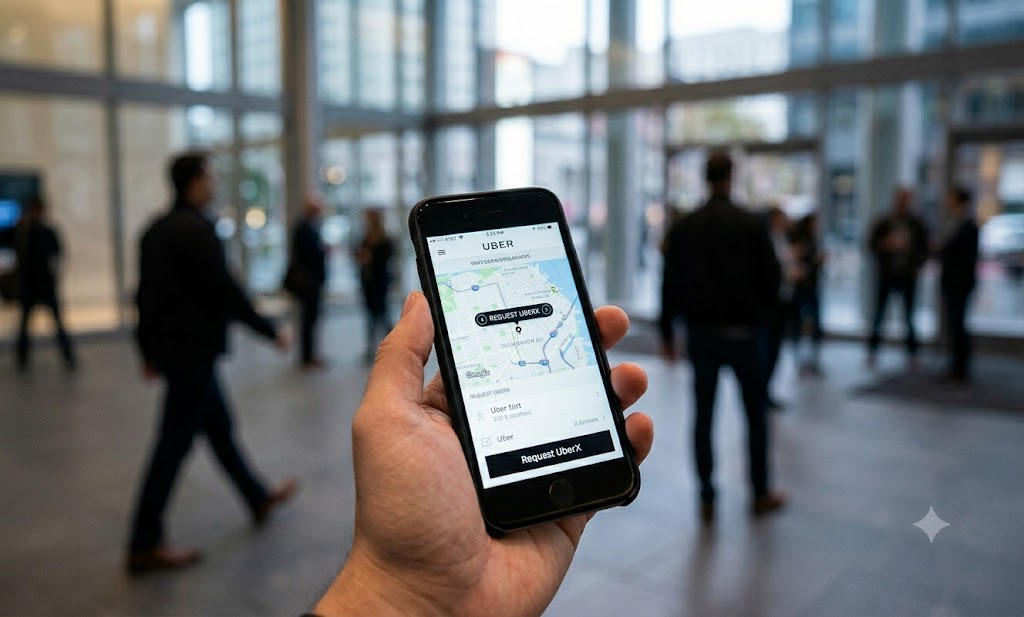
Technical Innovation: The Engines Driving the Marketplace
At its fundamental core, Uber is not a transportation provider; rather, it is a highly advanced data science and logistics network. To achieve this efficiency, the platform processes petabytes of real-time geospatial information every single day to ensure seamless interactions between riders and drivers.
The Real-Time Matching Engine
First and foremost, Uber’s proprietary matching infrastructure relies heavily on advanced predictive modeling. Specifically, the system analyzes historical trip data, current traffic variables, weather patterns, and real-time driver availability to project supply and demand. By utilizing this framework, the platform calculates optimal dispatch routes within milliseconds, thereby minimizing driver idle time while significantly reducing passenger wait times.
Dynamic Pricing (Surge Pricing) Algorithms
In addition to the matching engine, Uber pioneered dynamic pricing models to effectively balance a marketplace characterized by volatile fluctuations. For example, when localized demand drastically outpaces available driver supply, prices increase automatically. Consequently, this mechanic incentivizes more drivers to log onto the network, ultimately restoring equilibrium to the micro-market.
“Data is the literal fuel that powers our operations. Without continuous machine learning loops, managing a global fleet of independent operators in real time would be mathematically impossible.” — Former Uber Engineering Lead
Evaluating the Impact: The Pros and Cons of Uber’s Ecosystem
To fully comprehend the footprint of this San Francisco tech titan, it is vital to analyze the benefits and drawbacks it presents to modern society.
Architectural Manifestation: The Mission Bay Global Headquarters
As Uber matured from a volatile start-up into an institutional anchor of the technology sector, its physical footprint in San Francisco underwent a massive evolution. The company consolidated its operations into a breathtaking corporate campus situated in the Mission Bay district.
Designed by SHoP Architects, this striking headquarters features a multi-building ecosystem characterized by a beautiful, clear glass facade. To begin with, the primary goal of this design was to foster deep collaboration and openness across departments. As a result, the campus incorporates a public realm and a series of internal pedestrian bridges called the lung. Interestingly, these transparent pathways physically connect diverse engineering and executive departments, allowing natural light to saturate the workspaces completely.
Sustainable Engineering Innovations
Furthermore, this state-of-the-art facility integrates advanced environmental engineering, including automated breathable glass louvers to regulate the internal climate. Consequently, these smart louvers dramatically reduce the corporate reliance on traditional, energy-intensive air conditioning infrastructure systems. Ultimately, the building stands as a physical testament to how the company anchors its identity within San Francisco’s economic fabric.
Looking to the Future: Autonomy, Freight, and Sustainable Transit
As we advance through 2026, Uber’s strategic corporate roadmap focuses squarely on automation, multi-modal integration, and aggressive decarbonization. To achieve this, this major tech company aggressively forges deep collaborative partnerships with leading autonomous vehicle operators globally. Consequently, these engineers integrate self-driving vehicle fleets seamlessly into the platform’s highly sophisticated real-time dispatch network infrastructure.
Transforming Logistics and Logistics Networks
Furthermore, through emerging platforms like Uber Freight, the enterprise rapidly optimizes complex long-haul logistics networks across multiple regions. Specifically, advanced machine learning algorithms match independent commercial carriers with corporate shippers to maximize overall supply chain efficiency. By stripping systemic inefficiencies out of global supply chains, Uber fundamentally lowers dangerous transport-related carbon emissions everywhere. Ultimately, the prominent transportation enterprise continuously strives toward achieving a completely zero-emission platform goal over the next decade.
Related Video Section
Related Video: Inside Uber’s billions
To see how Uber’s software engineers scale this global marketplace platform, check out the educational video presentation.
Additionally, you can watch the detailed documentary breakdown below to learn how dynamic matching algorithms calculate fares daily.
Watch: Inside Uber’s billions
Frequently Asked Questions (FAQ)
When exactly was Uber founded, and who were the original creators?
Uber was initially founded as UberCab in March 2009 by Travis Kalanick and Garrett Camp in San Francisco, California.
How does Uber’s surge pricing model work?
The surge pricing model relies entirely on automated machine learning algorithms. When passenger ride requests in a specific neighborhood exceed the number of available drivers, the app raises fares to encourage more drivers to enter the area, quickly normalizing marketplace supply.
What is the address of Uber’s current corporate headquarters?
Uber is headquartered at 1725 3rd Street in the vibrant Mission Bay neighborhood of San Francisco, California.
Is Uber actively developing self-driving vehicles?
While Uber divested its in-house Advanced Technologies Group (ATG) autonomous unit, the company now partners extensively with industry-leading autonomous vehicle developers to deploy self-driving cars, delivery bots, and freight trucks directly onto its network.
Content Referring Links & Resources
Internal Guides
External References
-
Learn more about the corporate history and financial reports directly on the official Uber Investor Relations platform.
-
Track the tech sector’s ongoing evolution across Northern California via the Built In San Francisco tech and startup directory.
-
Examine the complete history and corporate listing details via the Wikipedia List of Companies Based in the San Francisco Bay Area.
Article Disclaimer: The information detailed within this comprehensive analysis is compiled for educational, illustrative, and informational purposes only. While every attempt has been made to ensure absolute technical accuracy up to 2026, corporate strategies, algorithm deployments, and market valuations are subject to rapid shifts based on broader macroeconomic trends and ongoing regulatory developments. This piece does not constitute financial, investment, or legal advice regarding corporate equities or employment practices within the tech sector.