
Table of Contents
-
Introduction
-
What Are tech gloves?
-
Industry Applications: Where Nitrile Shines
-
Comparative Analysis: Nitrile vs. Latex vs. Vinyl
-
Pros and Cons of Using Nitrile Tech Gloves
-
Best Practices for Selection and Storage
-
Related Video Guide
-
Frequently Asked Questions (FAQ)
-
Resources & Disclaimer
nitri tech gloves have revolutionized the way professionals approach safety, hygiene, and chemical resistance. Whether you are a healthcare practitioner, an automotive technician, or a laboratory researcher, selecting the right hand protection is paramount to ensuring both personal safety and operational efficiency. In this comprehensive guide, we explore the science, applications, and best practices surrounding these durable synthetic alternatives to traditional latex.
What Are nitri tech gloves?
nitri tech gloves are manufactured from a synthetic copolymer of acrylonitrile and butadiene. Unlike natural rubber latex, which is derived from the Hevea brasiliensis tree, nitri is a man-made material engineered to provide superior strength and chemical resistance. The development of nitrile in the 1980s was primarily aimed at providing a robust, hypoallergenic alternative for individuals with latex sensitivities, and today, they have become the industry standard for a wide range of professional settings.
“nitri is highly popular today for several benefits that latex doesn’t offer—all of which come back to the material’s unique chemical composition,” note industry experts at Gloves.com.
Industry Applications: Where nitri Shines
The versatility of nitri tech gloves makes them an indispensable asset across various sectors. Their ability to act as a reliable barrier against pathogens, oils, and hazardous chemicals ensures that they are widely utilized in high-stakes environments.
1. Healthcare and Medical Settings
In medical environments, precision and barrier protection are critical. Nitrile exam gloves are favored for their durability, which minimizes the risk of tearing during patient examinations or surgical procedures. Because they are latex-free, they eliminate the risk of allergic reactions for both patients and healthcare providers.
2. Laboratory and Research Facilities
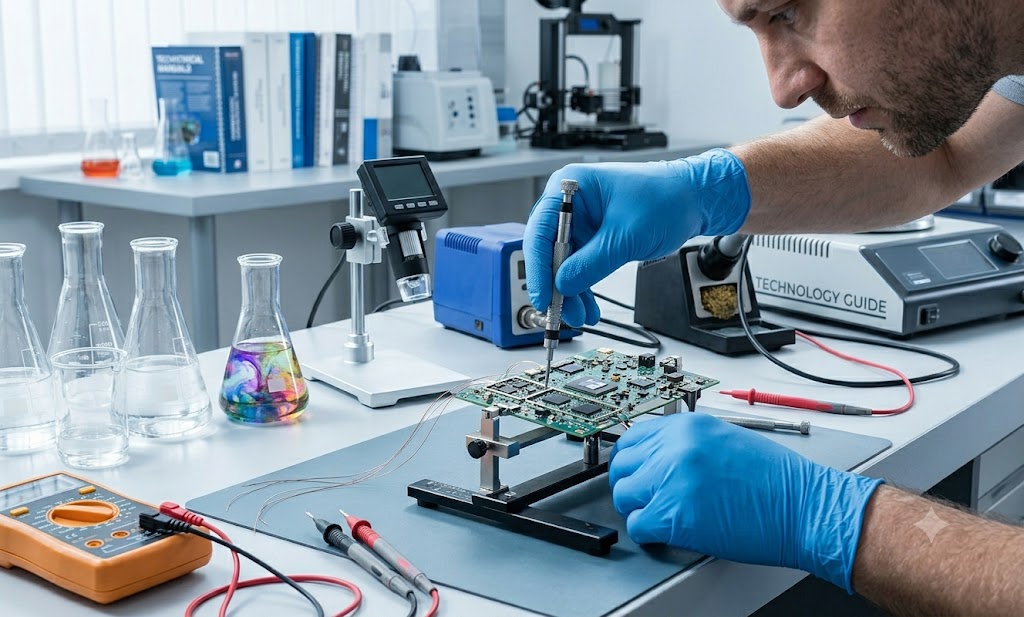
Scientists and lab technicians frequently handle volatile substances, acids, and bases. Nitrile’s chemical resistance makes it the preferred choice for protecting skin from accidental exposure. Furthermore, their high puncture resistance provides an essential layer of safety when working with glassware or sharp instruments.
3. Automotive and Industrial Maintenance
Mechanics encounter oils, solvents, and grease daily. Nitrile tech gloves resist degradation from these petroleum-based substances, allowing workers to maintain dexterity and grip even in oily conditions.
Comparative Analysis: nitri vs. Latex vs. Vinyl
Understanding how nitrile compares to other materials is essential for making an informed purchasing decision.
| Feature | Nitrile Gloves | Latex Gloves | Vinyl Gloves |
| Material | Synthetic Rubber | Natural Rubber | PVC Plastic |
| Puncture Resistance | Excellent | Good | Low |
| Chemical Resistance | High | Low/Moderate | Very Low |
| Allergy Risk | Low (Hypoallergenic) | High | Low |
| Cost | Moderate | Moderate/High | Low |
| Best For | Heavy-duty/Chemicals | Tactile precision | Low-risk tasks |
Pros and Cons of Using nitri tech gloves
Pros
-
Superior Durability: They offer significant puncture and tear resistance compared to vinyl or latex.
-
Chemical Resistance: They provide an excellent barrier against many common lab and industrial chemicals.
-
Hypoallergenic: Being latex-free, they are safe for users with natural rubber allergies.
-
Tactile Sensitivity: Modern manufacturing ensures a snug fit that doesn’t compromise dexterity.
Cons
-
Cost: Generally more expensive to produce than vinyl gloves.
-
Not Universal: They do not protect against all chemicals (e.g., certain ketones or strong acids may cause degradation).
-
Less Elasticity: While they fit well, they lack the extreme “second-skin” stretchiness of natural latex.
Best Practices for Selection and Storage
To maximize the performance of your nitrile gloves, you must consider both selection and long-term storage.
How to Select the Right Glove
-
Thickness (Mil): Choose thicker gloves for high-puncture environments (e.g., construction) and thinner gloves for tasks requiring high tactile sensitivity (e.g., medical exams).
-
Powdered vs. Powder-Free: Always opt for powder-free in professional settings to reduce the risk of irritation and contamination.
-
Certifications: Ensure your gloves meet the specific regulatory standards required for your industry, such as medical-grade testing (ASTM standards).
Optimal Storage Guidelines
-
Temperature Control: Store in a cool environment, ideally between 10°C and 30°C (50°F–86°F).
-
Protect from Light: Keep boxes in dark, dry areas away from direct UV sunlight to prevent polymer breakdown.
-
Avoid Ozone Sources: Store away from electric motors or high-voltage equipment, as ozone can make nitrile brittle.
Related Video Guide
Frequently Asked Questions (FAQ)
Q: Are nitrile gloves 100% puncture-proof?
A: No, while nitrile has excellent puncture resistance—often 3 to 5 times stronger than latex—it is not indestructible. Always use caution when handling extremely sharp objects.
Q: Can I reuse nitrile tech gloves?
A: Most disposable nitrile gloves are designed for single-use to prevent cross-contamination. If you require long-term use, look for industrial-grade “reusable” nitrile gloves.
Q: Do nitrile gloves expire?
A: Yes, they typically have a shelf life of about five years. Always check the manufacturer’s packaging for expiration dates, as the material can degrade over time.
Content Referring Links
Article Disclaimer
This article is for informational purposes only and does not constitute professional safety advice. Always refer to the manufacturer’s technical data sheets and chemical compatibility charts before using protective equipment in hazardous environments.